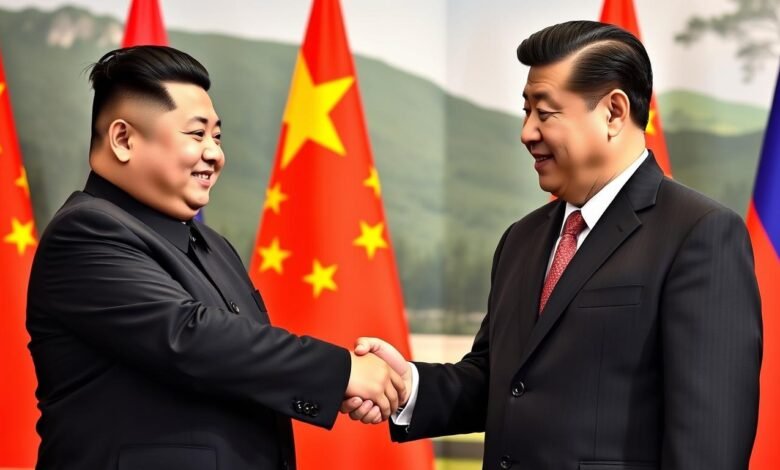
Recent high-level meetings between North Korean leader Kim Jong-un and Chinese President Xi Jinping have once again highlighted the enduring significance of this relationship, even as both nations navigate an increasingly complex international environment. This article examines the historical foundations, current developments, and strategic implications of the Sino-NK alliance, offering a comprehensive analysis of how this relationship continues to shape geopolitical realities in Northeast Asia and beyond.
Historical Foundations of Diplomatic Relations between North Korea and China
The roots of modern Diplomatic Relations between North Korea and China extend back to the tumultuous period following World War II, when revolutionary movements and Cold War dynamics were reshaping East Asia. Understanding this historical context is essential for grasping the complex nature of their contemporary relationship.
Origins of Diplomatic Ties (1949-1950)
The formal diplomatic relationship between the Democratic People’s Republic of Korea (DPRK) and the People’s Republic of China (PRC) was established in October 1949, shortly after the founding of the PRC. However, connections between the communist movements in both countries predated these formal ties. Kim Il Sung, who would become North Korea’s founding leader, had fought alongside Chinese communists against Japanese forces in Manchuria during the 1930s, creating personal bonds that would later influence state relations.
These early connections were characterized by ideological affinity and mutual strategic interests. Both newly-formed communist states sought to consolidate power domestically while positioning themselves within the broader socialist bloc led by the Soviet Union. For China, supporting North Korea represented an opportunity to establish a buffer zone against American influence in East Asia, while North Korea viewed China as a crucial ally in its competition with South Korea.
The Korean War and Chinese Intervention (1950-1953)
The Korean War marked a pivotal moment in solidifying the relationship between China and North Korea. When North Korean forces crossed the 38th parallel in June 1950, initiating the conflict, China initially provided diplomatic support. However, as United Nations forces under American leadership pushed North Korean forces back toward the Chinese border, Beijing made the momentous decision to directly intervene.
In October 1950, Chinese “People’s Volunteers” entered the conflict, eventually committing nearly 3 million troops and suffering an estimated 400,000 casualties. This massive intervention prevented the collapse of the North Korean regime and pushed the conflict toward the stalemate that eventually resulted in the 1953 armistice. China’s sacrifice created what many Chinese officials still refer to as a “blood alliance” – a bond forged through shared sacrifice that continues to influence bilateral relations.
“The Chinese people and the Korean people are like lips and teeth, and the Chinese people cannot but be concerned about the fate of their neighbors.” – Mao Zedong, October 1950
Treaty of Friendship and Cold War Alignment (1953-1991)
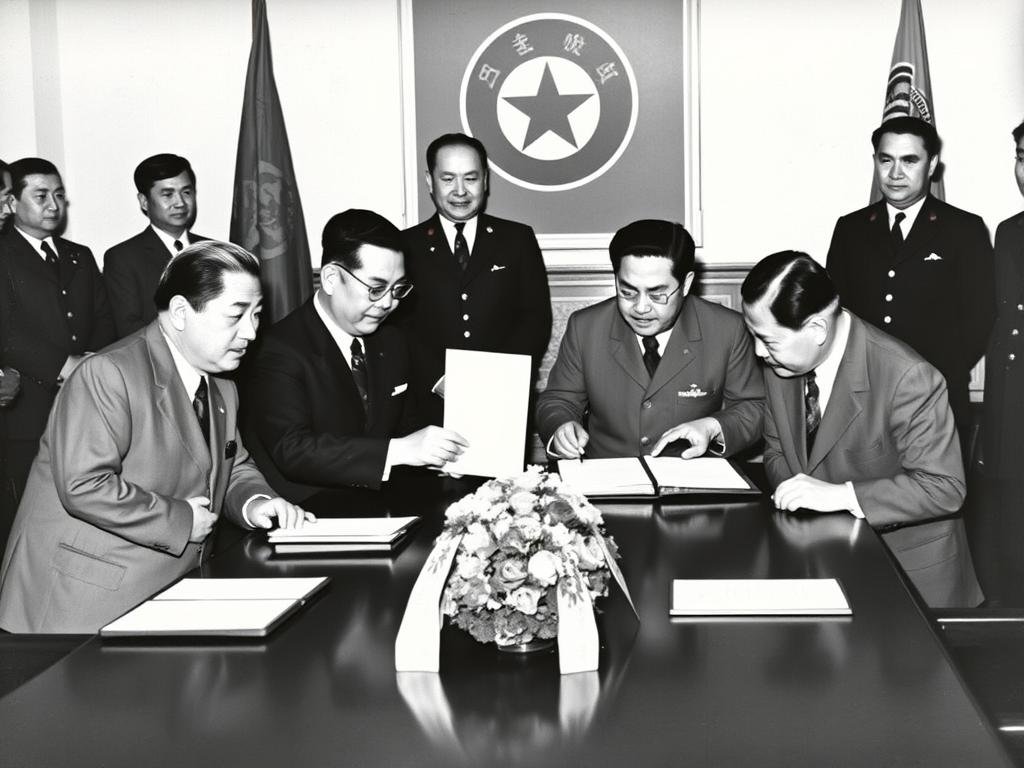
Following the Korean War armistice, China and North Korea formalized their alliance through the 1961 Sino-North Korean Treaty of Friendship, Cooperation, and Mutual Assistance. This treaty, which remains in effect today (having been renewed in 1981, 2001, and 2021), commits each country to immediately render military and other assistance by all means at its disposal in the event of either country being subjected to armed attack.
Throughout the Cold War, the relationship experienced both cooperation and tension. During the Sino-Soviet split of the 1960s, North Korea attempted to maintain a balanced position between its two communist patrons, though it generally leaned toward the Soviet Union. China’s Cultural Revolution (1966-1976) created additional strains, with Red Guards criticizing North Korea as “revisionist.” Despite these tensions, the strategic alignment persisted, with both countries viewing their alliance as essential to countering American influence in East Asia.
- 1961: Signing of the Sino-North Korean Treaty of Friendship, Cooperation, and Mutual Assistance
- 1966-1969: Tensions during China’s Cultural Revolution
- 1970s: Normalization following Cultural Revolution
- 1978: China begins economic reforms under Deng Xiaoping
- 1980s: Growing divergence in economic systems as China reforms while North Korea maintains strict command economy
Post-Cold War Transformation (1990s-2000s)
The collapse of the Soviet Union in 1991 fundamentally altered the geopolitical landscape for both China and North Korea. This period marked a significant transition in their relationship, characterized by economic pragmatism gradually replacing ideological solidarity.
China’s Diplomatic Recognition of South Korea
In 1992, China established formal diplomatic relations with South Korea, a move that North Korea viewed as a betrayal. This decision reflected Beijing’s growing prioritization of economic interests over ideological considerations. China’s trade with South Korea rapidly expanded, soon dwarfing its economic ties with the North. This shift created a significant strain in the China-North Korea relationship, with Pyongyang feeling increasingly isolated as its former socialist allies established ties with South Korea.
Despite this diplomatic realignment, China maintained its relationship with North Korea, recognizing the strategic value of preserving stability on the Korean Peninsula. Beijing continued to provide economic assistance to Pyongyang, particularly as North Korea faced severe economic challenges following the loss of Soviet support and a series of natural disasters that contributed to a devastating famine in the mid-1990s.
North Korea’s Nuclear Program and China’s Response
The emergence of North Korea’s nuclear program in the 1990s created new challenges for China. When the first North Korean nuclear crisis erupted in 1993-1994, China played a relatively limited role in the negotiations that led to the Agreed Framework between North Korea and the United States. However, as North Korea’s nuclear ambitions became more pronounced in the early 2000s, China took on a more active diplomatic role.
Beijing initiated and hosted the Six-Party Talks (involving North Korea, South Korea, China, the United States, Russia, and Japan) from 2003 to 2009, seeking to find a diplomatic solution to the nuclear issue. China’s approach during this period reflected its core interests: preventing conflict on the Korean Peninsula, avoiding regime collapse in North Korea, and limiting the proliferation of nuclear weapons in its neighborhood.
“China’s policy toward North Korea is guided by three priorities: no war, no instability, and no nuclear weapons – in that order of importance.”
Economic Engagement and Aid
Throughout the 1990s and 2000s, China emerged as North Korea’s economic lifeline. As international sanctions began to target North Korea’s economy, China’s role as Pyongyang’s primary trading partner and aid provider became increasingly crucial. Chinese companies invested in North Korean mining operations, infrastructure projects, and special economic zones, while Chinese aid – particularly food and fuel – helped sustain the North Korean regime through periods of severe economic hardship.
This economic relationship was not without complications. Chinese businesses frequently encountered difficulties operating in North Korea’s unpredictable business environment, and Beijing grew increasingly frustrated with Pyongyang’s resistance to Chinese-style economic reforms. Nevertheless, China continued to provide economic support, viewing it as necessary for maintaining stability on the Korean Peninsula.
| Year | China-North Korea Trade Volume | Key Developments |
| 1990 | $0.48 billion | Pre-South Korea diplomatic recognition |
| 1995 | $0.55 billion | North Korean famine begins |
| 2000 | $0.49 billion | Inter-Korean Summit |
| 2005 | $1.58 billion | Six-Party Talks Joint Statement |
| 2010 | $3.46 billion | Increased Chinese investment in NK resources |
Current Developments in China-North Korea Relations (2010-2024)
The past decade has witnessed significant fluctuations in the relationship between China and North Korea, as Pyongyang’s accelerated nuclear and missile programs have tested Beijing’s patience while reinforcing the strategic importance of their alliance.
Trade Partnerships and Sanctions Evasion
China’s economic relationship with North Korea has evolved considerably in response to international sanctions and changing political dynamics. By 2014, bilateral trade reached a peak of approximately $6.86 billion, with China accounting for over 90% of North Korea’s total trade volume. Key North Korean exports to China included coal, iron ore, textiles, and seafood, while imports consisted primarily of fuel, machinery, and consumer goods.
However, North Korea’s nuclear and missile tests prompted the United Nations Security Council to adopt increasingly stringent sanctions from 2016 onward. China, as a permanent member of the Security Council, supported these measures while implementing them selectively. Chinese enforcement of sanctions has fluctuated based on broader geopolitical considerations and the state of bilateral relations.
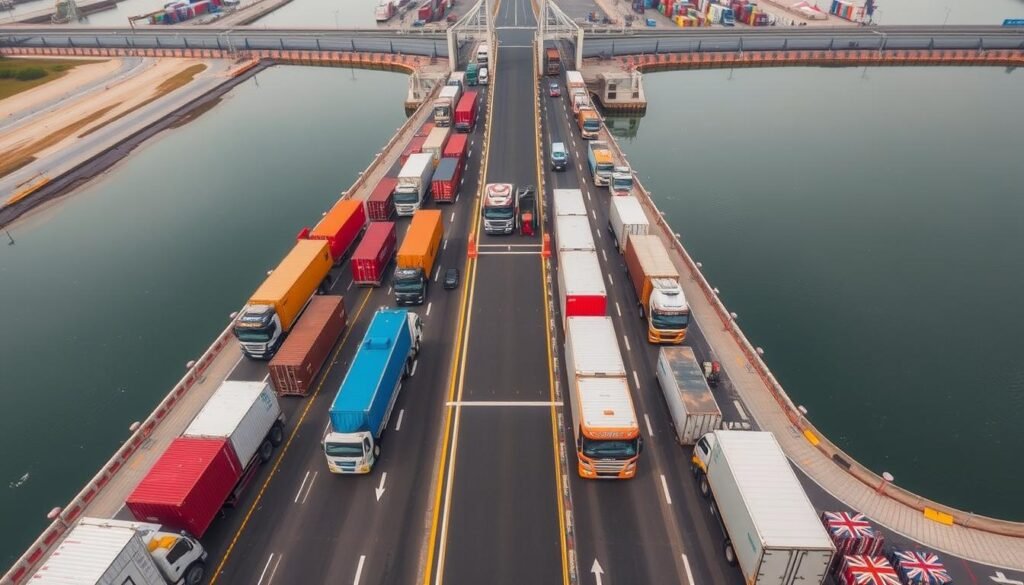
Despite international sanctions, North Korean trading companies have adapted by embedding themselves within Chinese commercial networks. This “North Korea Incorporated” phenomenon has enabled Pyongyang to maintain access to international markets and technology through Chinese intermediaries. Smuggling operations, ship-to-ship transfers of prohibited goods, and cyber operations have further allowed North Korea to evade sanctions with varying degrees of Chinese tolerance.
| Year | China-North Korea Trade Volume | Key Developments |
| 2014 | $6.86 billion | Peak of bilateral trade |
| 2017 | $4.98 billion | Tightened sanctions enforcement |
| 2020 | $0.54 billion | COVID-19 border closures |
| 2023 | $2.30 billion | Post-pandemic recovery |
Military Cooperation and Border Security
Military ties between China and North Korea remain formally anchored in their 1961 mutual defense treaty, which was renewed for another 20 years in 2021. However, practical military cooperation has been limited in recent years. China has not conducted joint military exercises with North Korea, in contrast to its growing military cooperation with Russia.
Border security has been a significant focus for both countries. China has enhanced surveillance and military preparedness along its border with North Korea, particularly during periods of heightened tensions. These measures serve multiple purposes: preventing refugee flows in the event of a North Korean crisis, deterring potential military actions by other powers, and monitoring North Korean activities.
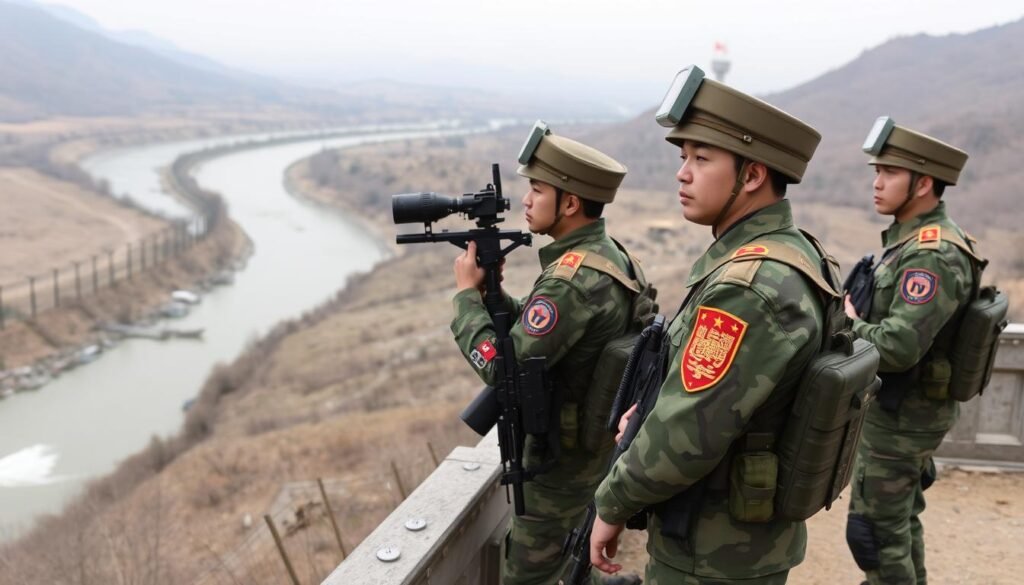
North Korea’s missile and nuclear tests have created significant challenges for China’s security interests. While Beijing has criticized these tests and supported UN sanctions in response, it has been unwilling to apply pressure that might threaten regime stability in Pyongyang. China’s primary security concern remains avoiding conflict or chaos on the Korean Peninsula that could lead to refugee flows, the potential loss of a buffer state, or increased U.S. military presence in the region.
Diplomatic Alignment and Leadership Dynamics
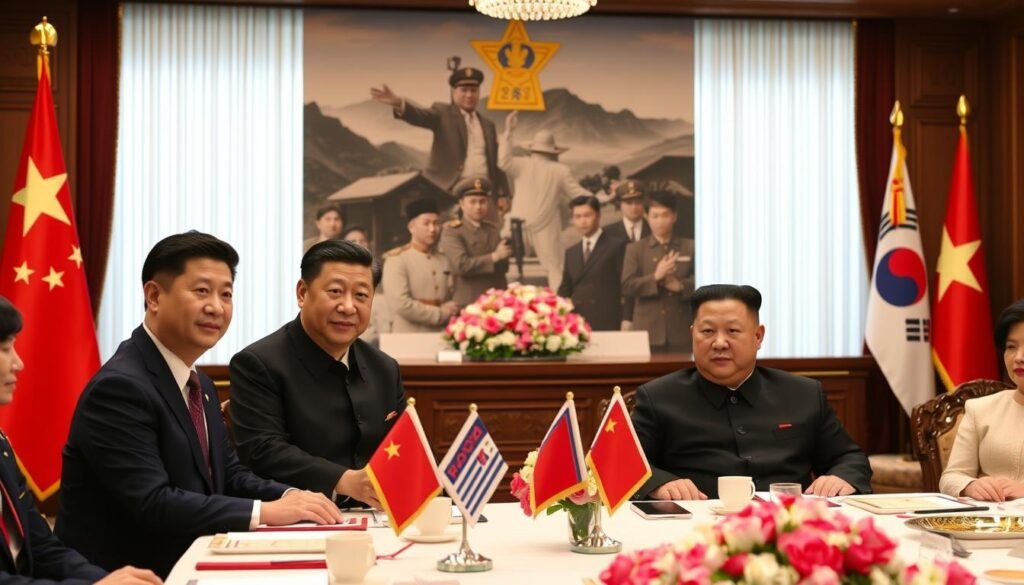
The relationship between Chinese President Xi Jinping and North Korean leader Kim Jong-un has experienced significant fluctuations. After assuming power in 2011, Kim Jong-un did not meet with Xi Jinping until March 2018, an unprecedented gap in high-level diplomacy between the two countries. This period coincided with North Korea’s accelerated nuclear and missile testing program, which created considerable tension in the relationship.
Since 2018, however, there has been a notable warming in relations. Kim Jong-un has made multiple visits to China, while Xi Jinping made a high-profile state visit to Pyongyang in 2019 – the first by a Chinese leader in 14 years. These exchanges reflect a mutual recognition of the strategic importance of the relationship, despite ongoing frustrations on both sides.
“China and the DPRK are friendly neighbors linked by mountains and rivers… The traditional friendship between China and the DPRK is a valuable asset shared by the two parties, two countries, and two peoples.”
At the United Nations, China has consistently advocated for a more balanced approach to North Korea than that favored by the United States and its allies. While supporting sanctions in response to nuclear and missile tests, China has also called for sanctions relief as a means of encouraging diplomatic engagement. China has used its position on the UN Security Council to moderate pressure on North Korea and to advocate for dialogue rather than coercion.
COVID-19 and Recent Developments
The COVID-19 pandemic had a profound impact on China-North Korea relations. North Korea implemented one of the world’s strictest border closures in January 2020, effectively cutting off nearly all trade and travel with China for over two years. This self-imposed isolation severely affected North Korea’s economy while demonstrating the limits of its dependence on China.
As pandemic restrictions have eased, bilateral relations have begun to normalize. Trade has gradually resumed, though it remains below pre-pandemic levels. In 2023, China and North Korea celebrated the 70th anniversary of the Korean War armistice with exchanges of high-level delegations, reaffirming their “traditional friendship.”
A significant recent development has been North Korea’s growing alignment with Russia, particularly following Russia’s invasion of Ukraine. In June 2024, Russia and North Korea signed a comprehensive strategic partnership agreement that includes mutual defense provisions. This development has complicated China’s relationship with North Korea, as Beijing seeks to balance its ties with both countries while avoiding being drawn into their increasingly close military cooperation.
Geopolitical Analysis: Strategic Implications
The China-North Korea relationship carries significant implications for regional and global geopolitics, influencing the strategic calculations of major powers and shaping security dynamics in Northeast Asia.
Role in U.S.-China Strategic Competition
The North Korea issue has become increasingly entangled in the broader strategic competition between the United States and China. For China, maintaining influence over North Korea provides leverage in its dealings with the United States, while also serving as a buffer against U.S. military presence in Northeast Asia.
From the U.S. perspective, China’s support for North Korea is often viewed as enabling Pyongyang’s nuclear program and undermining international sanctions. American policymakers have repeatedly called on Beijing to use its economic leverage to pressure North Korea toward denuclearization, while Chinese officials counter that Washington’s hostile policy is the primary driver of North Korea’s nuclear ambitions.
This dynamic was evident during the Trump-Kim summits of 2018-2019, when China worked to ensure its interests were represented in any potential agreement. Beijing supported dialogue between Washington and Pyongyang but remained concerned about being sidelined in negotiations that could affect its strategic interests. Similarly, China has advocated for a “dual-track” approach that would address both denuclearization and a peace mechanism to replace the Korean War armistice – a position that aligns with North Korea’s preference for a phased approach to negotiations.
“China’s approach to the Korean Peninsula is shaped by its broader strategic competition with the United States. Beijing seeks to maintain stability while preventing any outcome that would enhance U.S. influence in the region.”
Impact on Regional Stability
China’s management of its relationship with North Korea significantly impacts regional stability in Northeast Asia. Beijing’s primary concern is preventing conflict or chaos on the Korean Peninsula that could lead to refugee flows, the collapse of the North Korean regime, or increased U.S. military presence near its borders.
For South Korea, China’s support for North Korea has been a source of frustration, particularly during periods of inter-Korean tension. However, Seoul also recognizes China’s importance in any diplomatic process involving North Korea. South Korean leaders have alternated between seeking Chinese cooperation on North Korea and expressing concern about China’s protection of the North Korean regime.
China’s Strategic Priorities
- Maintaining stability on the Korean Peninsula
- Preventing North Korean regime collapse
- Limiting U.S. military influence in Northeast Asia
- Avoiding nuclear proliferation in the region
- Preserving economic interests in North Korea
North Korea’s Strategic Priorities
- Regime survival and political autonomy
- Development of nuclear deterrent
- Economic support without political reform
- Balancing between China and Russia
- Reducing international isolation
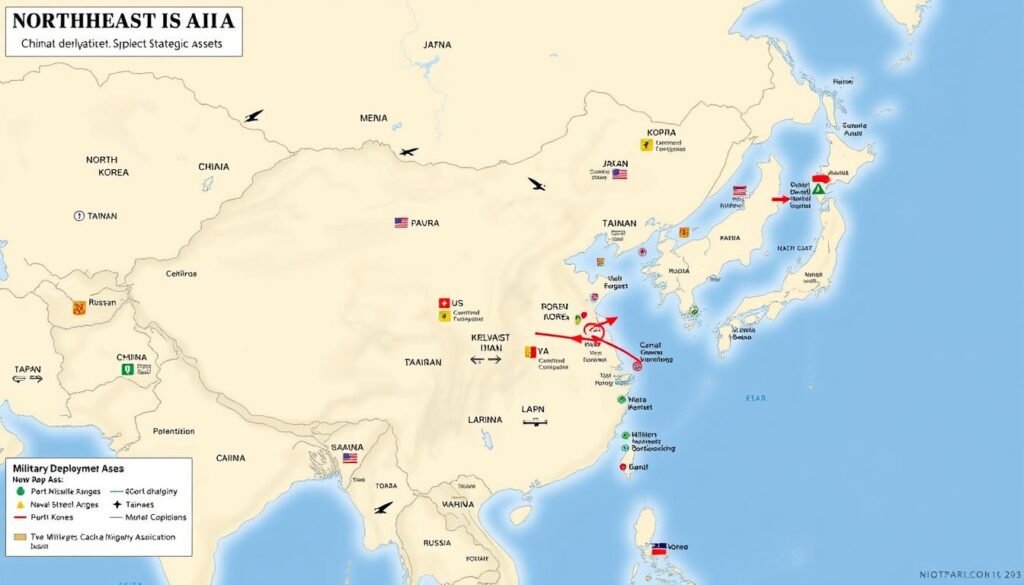
Japan views China’s relationship with North Korea with significant concern, particularly as North Korea has developed missiles capable of reaching Japanese territory. Tokyo has consistently advocated for stronger pressure on North Korea and has expressed frustration with China’s more measured approach. The North Korean threat has been a key factor in Japan’s strengthening of its defense capabilities and its deepening alliance with the United States.
Taiwan’s position is complicated by its unique geopolitical situation. While officially maintaining a position aligned with international consensus on North Korean denuclearization, Taiwan is primarily concerned with how the North Korea issue affects U.S.-China relations and regional security dynamics that could impact its own security situation.
Nuclear Proliferation Concerns
North Korea’s nuclear program presents a significant challenge to the global non-proliferation regime, with implications for China’s security interests and regional stability. While China opposes North Korea’s nuclear weapons development, it has prioritized regime stability over denuclearization in its practical policy approach.
China’s concerns about North Korea’s nuclear program are multifaceted. Beijing worries about the potential for nuclear accidents or miscalculations given North Korea’s limited safety infrastructure. It is also concerned about the proliferation risks posed by North Korea potentially sharing nuclear technology or materials with other states or non-state actors.
Perhaps most significantly, China fears that North Korea’s nuclear program could trigger a regional nuclear arms race. Public opinion polls in South Korea have shown growing support for developing indigenous nuclear weapons, while some politicians in Japan have begun to question the country’s long-standing non-nuclear policy. Such developments would fundamentally alter the security architecture of Northeast Asia in ways that would challenge China’s strategic interests.
Key Nuclear Proliferation Concerns:
- North Korea’s growing nuclear arsenal (estimated 20-30 warheads as of 2023)
- Potential for nuclear/missile technology transfer to other states
- Risk of nuclear accidents due to limited safety infrastructure
- Possibility of regional nuclear arms race involving South Korea and Japan
- Undermining of the global non-proliferation regime
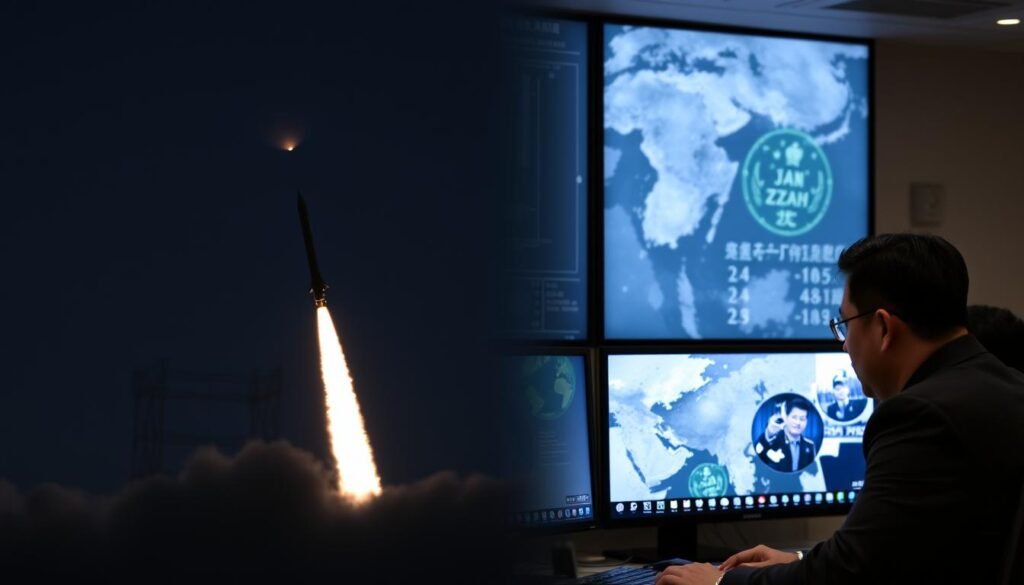
China’s approach to addressing these concerns has focused on diplomatic engagement rather than coercive pressure. Beijing has consistently advocated for the resumption of multilateral talks, building on the Six-Party Talks framework that it previously hosted. China has also proposed a “dual freeze” approach, whereby North Korea would pause its nuclear and missile testing in exchange for a reduction in U.S.-South Korean military exercises – a proposal that has been rejected by Washington and Seoul.
Expert Perspectives on the Future of China-North Korea Relations
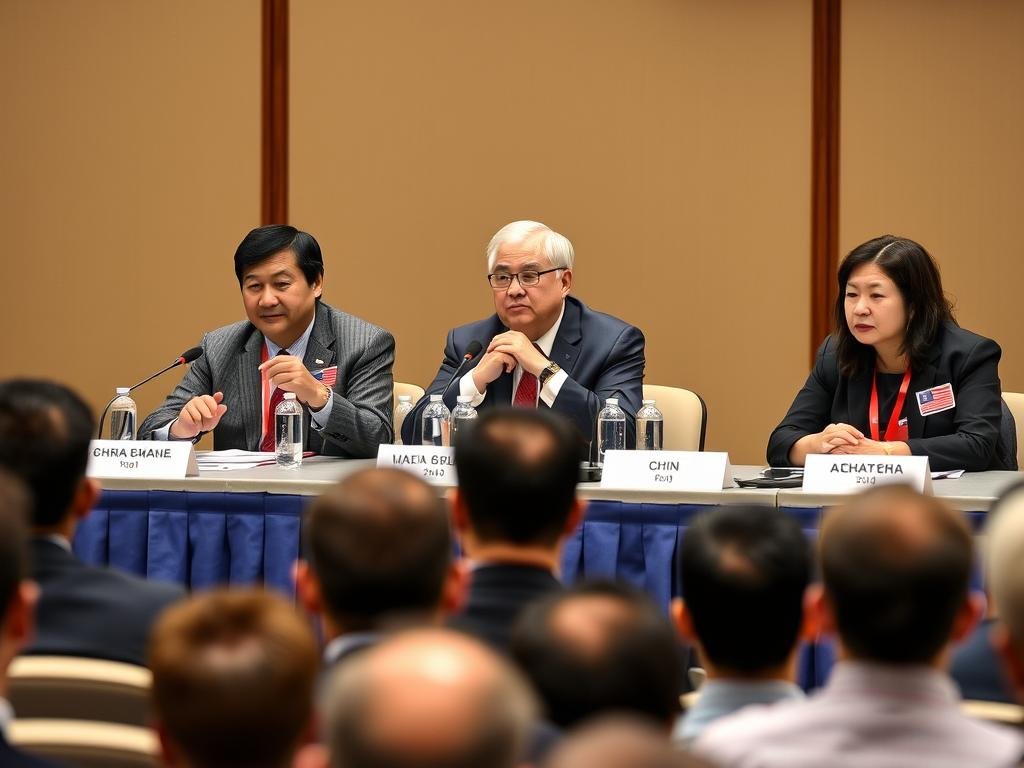
Scholars and policy analysts offer varying assessments of the future trajectory of China-North Korea relations, reflecting the complex and sometimes contradictory nature of this bilateral relationship.
Balancing Act: China’s Strategic Calculations
According to Dr. Michael Swaine of the Carnegie Endowment for International Peace, “China’s relationship with North Korea is driven by a pragmatic assessment of its strategic interests rather than ideological affinity or historical ties. Beijing sees the preservation of a stable North Korean state as essential to its security, even as it grows increasingly frustrated with Pyongyang’s provocative behavior.”
This analysis suggests that China will continue to provide sufficient economic and diplomatic support to prevent North Korean regime collapse, while avoiding measures that would enable Pyongyang to significantly enhance its nuclear capabilities or engage in destabilizing provocations. The balancing act reflects China’s prioritization of stability over denuclearization.
“China’s basic interests on the Korean Peninsula have essentially remained the same since the beginning of its relationship with the DPRK: preventing armed conflict, avoiding regime collapse, and discouraging Korean unification under strong U.S. influence.”
Other experts emphasize the economic dimensions of China’s approach. Dr. John Park of Harvard Kennedy School notes that “North Korea has migrated into the Chinese marketplace at the invitation of the Chinese Communist Party,” creating a complex web of commercial relationships that provide Pyongyang with economic lifelines despite international sanctions. This “North Korea Incorporated” phenomenon has enabled the regime to adapt to sanctions pressure while maintaining its core strategic programs.
North Korea’s Strategic Autonomy
From North Korea’s perspective, the relationship with China is characterized by both dependence and resistance. Dr. Victor Cha of the Center for Strategic and International Studies observes that “North Korea has always been deeply concerned about becoming overly dependent on China, and has sought to maintain strategic autonomy even as its economic reliance on Beijing has grown.”
This dynamic helps explain North Korea’s recent efforts to strengthen ties with Russia, which provides Pyongyang with an alternative partner and reduces its exclusive dependence on China. The June 2024 comprehensive strategic partnership agreement between North Korea and Russia represents a significant development in this regard, potentially altering the strategic calculus for all parties involved in Korean Peninsula issues.
Will China ever abandon North Korea?
Most experts agree that China is unlikely to abandon North Korea entirely, regardless of provocations, due to its fundamental strategic interest in maintaining a buffer state and preventing regime collapse. However, China has shown willingness to apply limited pressure when North Korean actions directly threaten Chinese interests or regional stability. The relationship is likely to continue as one of managed tension rather than either complete rupture or wholehearted embrace.
Could China force North Korea to denuclearize?
While China possesses significant economic leverage over North Korea, most analysts believe Beijing lacks the ability (or willingness) to force Pyongyang to abandon its nuclear program. North Korea views its nuclear arsenal as essential to regime survival and would likely resist even severe Chinese pressure on this issue. Additionally, China fears that applying maximum pressure could lead to regime instability or collapse, outcomes Beijing considers worse than a nuclear North Korea.
How does the Russia-North Korea relationship affect China?
North Korea’s strengthening ties with Russia present both challenges and opportunities for China. On one hand, Russia’s support reduces North Korea’s exclusive dependence on China, potentially diminishing Beijing’s leverage. On the other hand, Russia’s engagement with North Korea aligns with China’s interest in countering U.S. influence in Northeast Asia. China is likely to monitor this relationship closely while maintaining its own ties with Pyongyang to ensure its interests are protected.
Implications for International Diplomacy
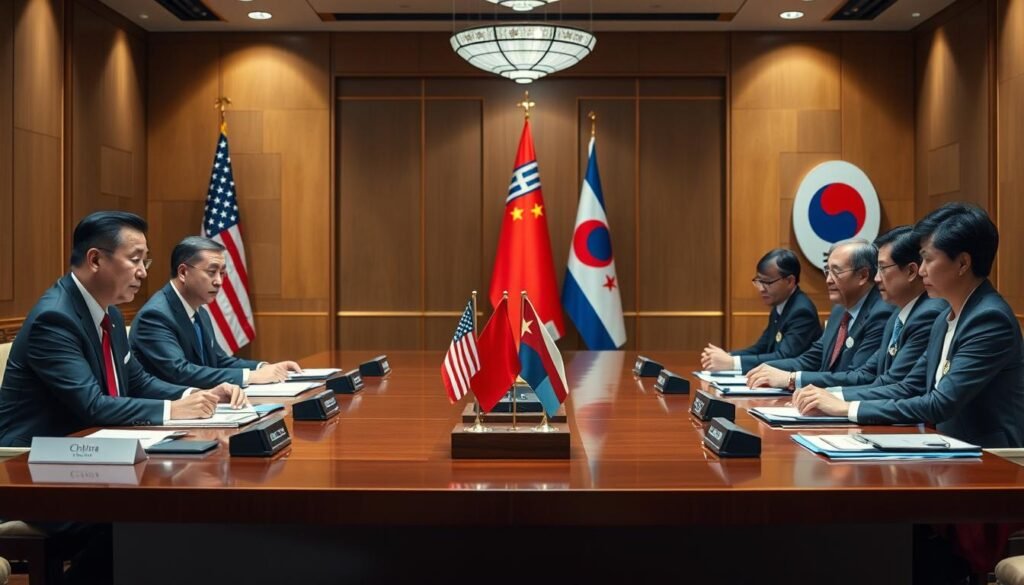
The China-North Korea relationship has significant implications for international diplomatic efforts addressing the Korean Peninsula. Dr. Sheena Chestnut Greitens of the University of Texas observes that “any successful diplomatic approach to North Korea must account for China’s interests and influence, even as Beijing’s ability to determine Pyongyang’s behavior remains limited.”
This assessment suggests that while China remains an essential participant in any diplomatic process involving North Korea, expectations that Beijing can “deliver” North Korean cooperation may be unrealistic. Effective diplomacy will need to engage both countries while recognizing their distinct interests and the limits of their influence over each other.
Looking ahead, experts identify several potential scenarios for the evolution of China-North Korea relations. These range from increased alignment in opposition to U.S. influence, to growing tensions as North Korea’s nuclear capabilities and regional ambitions expand. The most likely outcome, according to many analysts, is a continuation of the current pattern: a relationship characterized by mutual strategic necessity alongside persistent friction and mistrust.
Download Our Comprehensive Timeline
Access our detailed chronology of key events in China-North Korea relations from 1949 to the present. This resource includes major diplomatic meetings, economic agreements, security incidents, and policy shifts that have shaped this complex bilateral relationship.
Conclusion: Future Scenarios and Strategic Considerations
The Diplomatic Relations between North Korea and China represent one of the most consequential yet enigmatic partnerships in contemporary international relations. As this analysis has demonstrated, the relationship is characterized by a complex mixture of strategic alignment, economic interdependence, historical ties, and mutual frustration.
Looking ahead, several potential scenarios emerge for the future evolution of this relationship:
Scenario 1: Strategic Realignment
China and North Korea strengthen their alliance in response to perceived U.S. containment efforts, with increased economic and security cooperation. This scenario would likely involve China providing greater economic support while tacitly accepting North Korea’s nuclear status in exchange for restraint in testing and proliferation.
Scenario 2: Managed Tension
The current pattern continues, with China providing sufficient support to maintain North Korean stability while applying limited pressure to constrain the most provocative behaviors. This scenario represents a continuation of China’s balancing act between supporting North Korea and cooperating with the international community.
Scenario 3: Strategic Divergence
Growing frustration with North Korea’s nuclear program and its alignment with Russia leads China to adopt a more distanced approach. While still avoiding actions that might threaten regime stability, China could reduce economic support and increase enforcement of international sanctions.
The most likely outcome appears to be a continuation of the current “managed tension” scenario, with periodic fluctuations between greater cooperation and increased friction. China’s fundamental strategic interests in maintaining stability on the Korean Peninsula and preventing the emergence of a unified, U.S.-aligned Korea remain unchanged, even as its tactical approach evolves in response to specific developments.
For policymakers and analysts, several key considerations emerge from this analysis:
- Limited Chinese Leverage: While China possesses significant economic influence over North Korea, its ability to determine Pyongyang’s behavior on core security issues remains limited. Expectations that China can “deliver” North Korean denuclearization are likely unrealistic.
- Stability Priority: China consistently prioritizes stability on the Korean Peninsula over denuclearization or human rights concerns. Policy approaches that threaten regime stability in North Korea are unlikely to gain Chinese support.
- Triangular Dynamics: The China-North Korea relationship cannot be understood in isolation from broader regional dynamics, particularly the U.S.-China strategic competition and the evolving Russia-North Korea partnership.
- Economic Adaptation: Despite international sanctions, North Korea has demonstrated remarkable adaptability in maintaining economic lifelines through its relationship with China. Future policy approaches must account for this resilience.
- Diplomatic Necessity: Despite its limitations, China remains an essential participant in any diplomatic process addressing Korean Peninsula issues. Effective diplomacy requires engaging Beijing while recognizing the constraints on its influence.
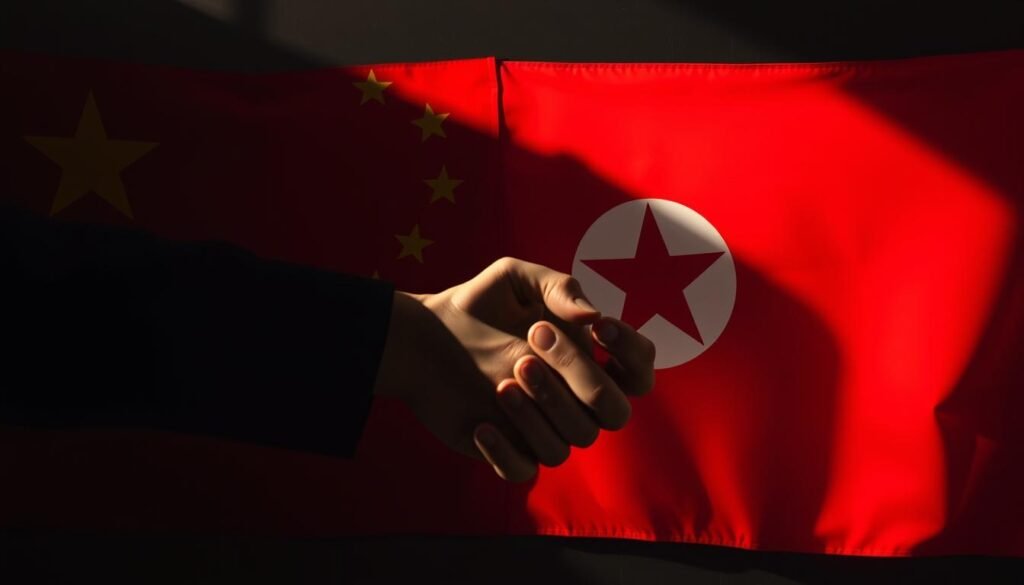
As the international community continues to grapple with the challenges posed by North Korea’s nuclear program and the broader security dynamics of Northeast Asia, understanding the nuances of the China-North Korea relationship remains essential. This “bitter alliance” – characterized by mutual dependence, strategic necessity, and persistent friction – will continue to shape regional security and international diplomacy for the foreseeable future.
➡️ Baca Juga: Warga Belgia Dideportasi dari Medan Melalui Kualanamu Karena Melanggar Aturan Izin Tinggal
➡️ Baca Juga: Kapolresta Malang Kota Jamin Keamanan Stok BBM Menjelang Idulfitri 1448 H